

The cryptocurrency landscape is ever-evolving, and recent developments surrounding the Clarity Act have sent ripples through the market. Understanding the implications of this legislation is crucial for investors and enthusiasts alike. In this article, we will delve into the Clarity Act, its failure, and how it affects the cryptocurrency market.
What Was the Clarity Act?
The Clarity Act aimed to provide a comprehensive regulatory framework for digital assets, addressing the ambiguity that has long plagued the cryptocurrency sector. By establishing clear guidelines, the Act sought to foster innovation while ensuring consumer protection. However, the recent Senate vote resulted in the Act being blocked, leaving many in the industry concerned about the future.
The Immediate Market Reaction
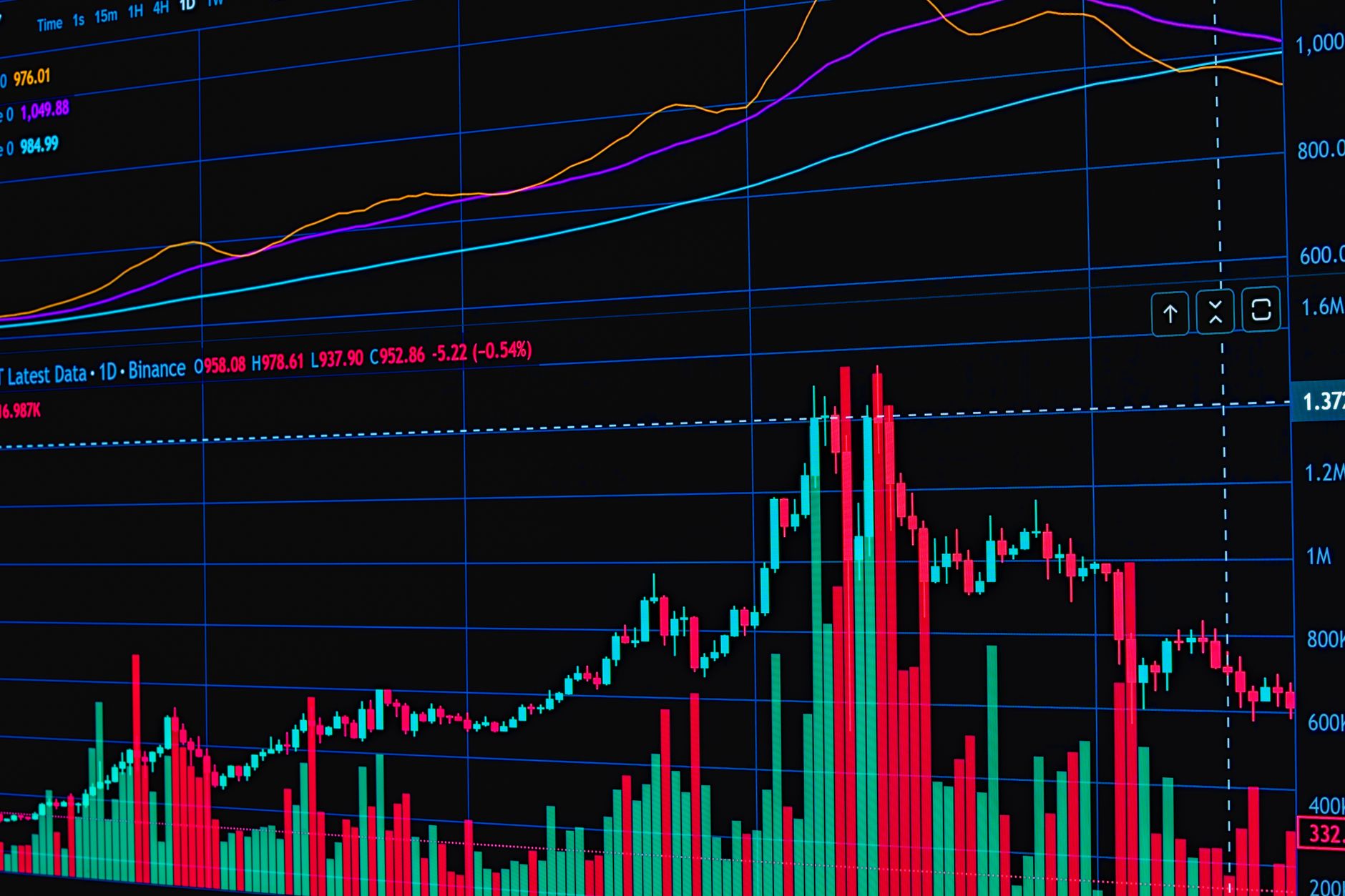
Following the failure of the Clarity Act, the cryptocurrency market experienced significant volatility. Major cryptocurrencies, including Bitcoin and Ethereum, saw sharp declines in their values. For instance, Bitcoin's price dropped to around $75,939, marking a 4% decrease within a day. This downturn was not isolated; it reflected a broader trend affecting various digital assets.
According to CoinDesk, bullish positions worth approximately $570 million were liquidated as traders reacted to the news. This liquidation underscores the fragility of investor confidence in a market that thrives on regulatory clarity.

Long-Term Implications for Investors
The failure of the Clarity Act raises questions about the long-term viability of cryptocurrency investments. Without a clear regulatory framework, investors may face increased risks, including potential legal challenges and market instability. The uncertainty could deter institutional investors, who often seek a stable regulatory environment before committing significant capital.
Moreover, the lack of regulation may lead to a fragmented market, where different jurisdictions impose varying rules. This inconsistency can create challenges for investors looking to navigate the global cryptocurrency landscape.
Comparative Analysis: Other Regulatory Environments
To understand the potential fallout from the Clarity Act's failure, it's helpful to compare the U.S. regulatory environment with that of other countries. For instance, countries like Switzerland and Singapore have established clear frameworks for cryptocurrency operations, attracting businesses and investors alike.
In contrast, the U.S. remains mired in uncertainty, which could hinder its competitiveness in the global cryptocurrency market. As noted by Bitcoin Magazine, the blockage of the Clarity Act has led to a decline in Bitcoin-related stocks, further emphasizing the need for regulatory clarity.
Potential Risks for Retail Investors
Retail investors, often less informed about market dynamics, may face heightened risks in the wake of the Clarity Act's failure. The volatility observed in the market can lead to significant financial losses for those who are not adequately prepared. Furthermore, the absence of regulatory oversight may expose retail investors to fraudulent schemes and scams.
Investors should exercise caution and conduct thorough research before engaging in cryptocurrency trading. Understanding market trends, potential risks, and the regulatory landscape is essential for making informed investment decisions.
Conclusion: The Path Forward
The failure of the Clarity Act has undoubtedly created a challenging environment for cryptocurrency investors. However, it also presents an opportunity for stakeholders to advocate for clearer regulations that can foster growth and stability in the market. As the industry continues to evolve, staying informed and adaptable will be key to navigating the complexities of cryptocurrency investing.
For those looking to explore cryptocurrency further, consider leveraging resources and platforms that provide insights and support. The future of cryptocurrency is uncertain, but with the right knowledge and tools, investors can position themselves for success.


