

Introduction
Bitcoin mining has become a significant topic of discussion in the cryptocurrency world. As the backbone of the Bitcoin network, mining not only validates transactions but also introduces new bitcoins into circulation. Understanding the intricacies of Bitcoin mining, including the time it takes to mine a single bitcoin and the associated costs, is essential for anyone looking to invest in or participate in this digital gold rush.
How Long Does It Take to Mine One Bitcoin?
The time it takes to mine one bitcoin can vary significantly based on several factors, including the mining hardware used and the current network difficulty. According to a recent article from OneMiners, it takes about three minutes for the entire network to mine a block, but an individual miner with a good machine may take around five years to mine a single bitcoin. This discrepancy highlights the competitive nature of mining, where only those with the most efficient setups can hope to earn rewards in a reasonable timeframe.
The Costs of Bitcoin Mining
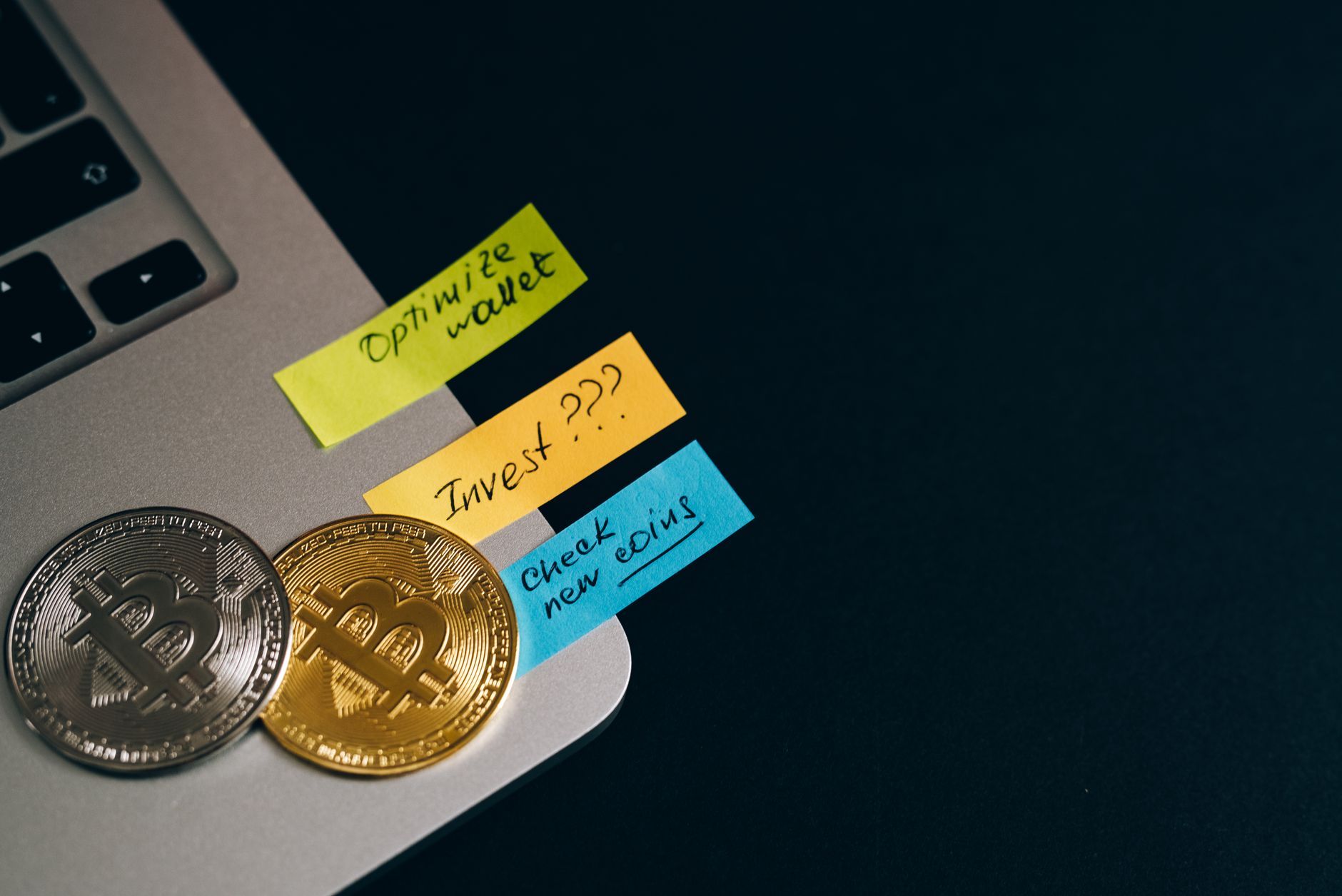
Mining bitcoin is not just about time; it also involves significant financial investment. The costs associated with mining include hardware, electricity, and cooling systems. For instance, the CoinDesk reports that the current hashprice is approximately $40.54 per petahash per day. This means that miners need to calculate their potential earnings against their operational costs to determine profitability.
Understanding Mining Difficulty
Mining difficulty is a crucial factor that affects how long it takes to mine bitcoin. As more miners join the network, the difficulty increases, making it harder to solve the cryptographic puzzles required to validate transactions. The current difficulty level is around 132.76 trillion, as reported by OneMiners. This constant adjustment ensures that new blocks are added to the blockchain approximately every ten minutes, maintaining the network's integrity.
Future Trends in Bitcoin Mining
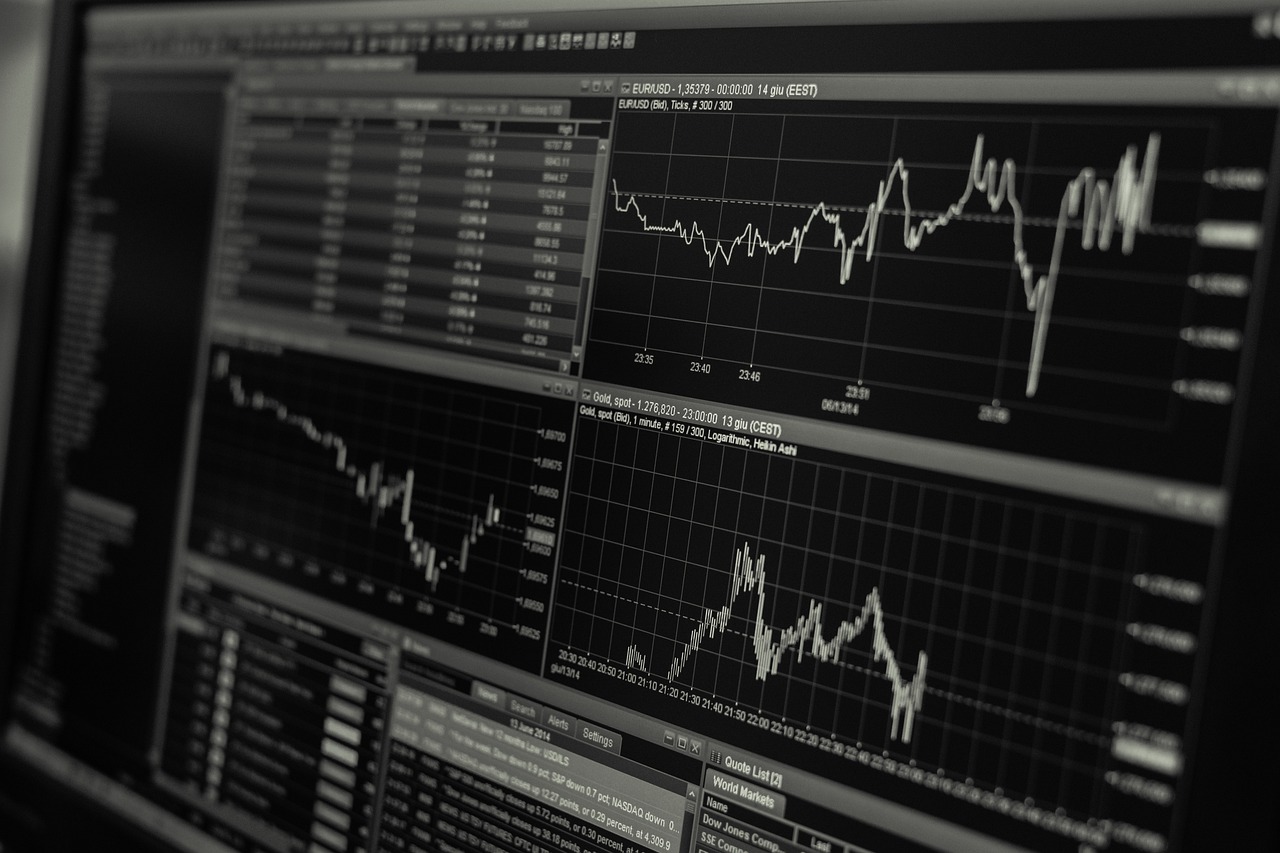
As technology evolves, so does the landscape of Bitcoin mining. Innovations such as quantum computing and AI are beginning to influence how transactions are processed. A recent article from CoinDesk highlights how AI has significantly reduced the time and cost associated with processing transactions, showcasing the potential for future advancements in mining efficiency.
Risks and Considerations
While Bitcoin mining can be lucrative, it is not without risks. Fluctuating bitcoin prices, rising electricity costs, and regulatory changes can all impact profitability. Miners must stay informed about market trends and be prepared to adapt their strategies accordingly. Additionally, environmental concerns regarding the energy consumption of mining operations are prompting discussions about sustainable practices in the industry.
Conclusion
In summary, Bitcoin mining is a complex and evolving field that requires a deep understanding of various factors, including time, costs, and technological advancements. As the market continues to grow, staying informed and adapting to changes will be crucial for miners and investors alike. Whether you are considering entering the mining space or simply want to understand the dynamics of Bitcoin, knowledge is your best tool for success.


